












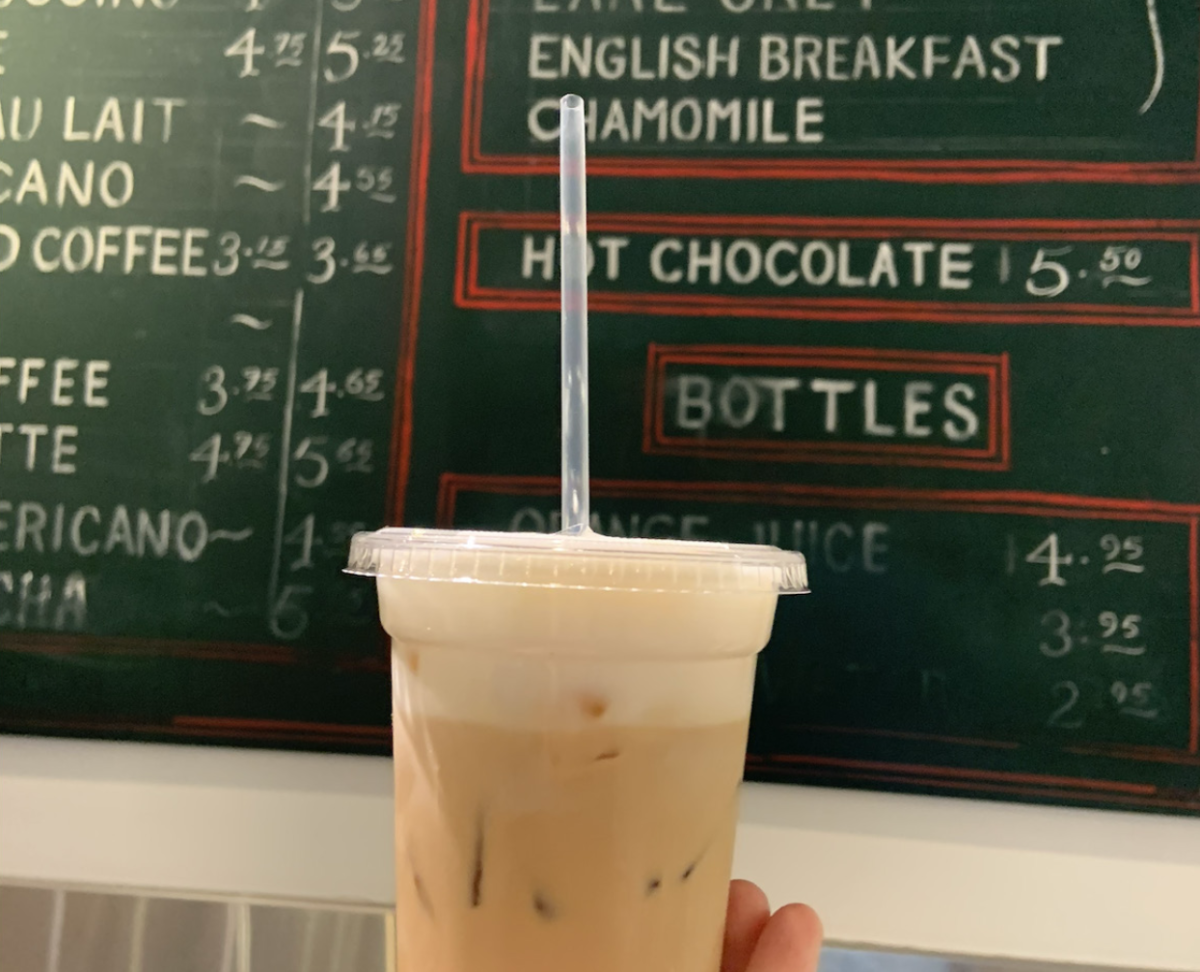
Whether it’s a Redbull, an Alani, a Celsius, a matcha, or a latte, peek into any classroom in Clinton and I can guarantee you that at least one, if not many more, students will have one of these drinks sitting on their desk. It’s no secret that high school is extremely demanding, with students juggling numerous assignments, projects, and tests alongside extracurricular activities and household duties. You may be asking yourself, with all these duties on top of the time spent commuting and actually being in school, how do students get enough sleep each night? The answer is very simple: they don’t. This leaves many students with an illusion of choice: go to school tired and unfocused or develop an unhealthy dependence on caffeine.
The American Academy of Pediatrics recommends that adolescents aged 12-18 consume less than 100mg of caffeine per day. Most energy drinks and other caffeinated drinks easily exceed these recommendations, with many containing 100-200 mg of caffeine. Kelly Li, a junior at Clinton, said, “I have caffeinated drinks every day of the week, usually once a day if I have a coffee in the morning because I get a triple shot of blonde espresso, but it may be more if I also have a soda in the afternoon.” A triple shot of blonde espresso brings her daily intake to 225 mg of caffeine already, and a soda in the afternoon can shoot her daily intake to around 300 mg, three times the recommended limit.
As many Clinton students and students all over the country already have a caffeine dependency, it may be difficult to break the cycle, but it is important to do so. Caffeinated drinks can lead to harmful health concerns, both physically and mentally, like poor sleep and a lack of concentration (UCLA Health). While in the short run, caffeine may help us feel more alert in class, many of the students I interviewed reported crashing after school. Some take a nap after school, and others, like Kelly Li, drink another caffeinated drink.
As mentioned earlier, in our Clinton community, it is impossible not to see someone with a caffeinated drink. Cora Reily, a junior, said, “I see caffeinated drinks on almost every single person’s desk in school every single day, and the trash cans are always full of empty drink cans or coffee cups.” Regardless of the health impacts, many Clinton students are aware of the potential consequences, but they believe the short-term benefits outweigh the long-term ones.
However, not all Clinton students see these caffeinated drinks as dangerous or harmful, as even with these downsides, these drinks are undeniably delicious. Cora Reily said, “I look forward to getting my coffee from the coffee cart every morning and getting a caffeinated drink after school. Even though they have caffeine, they are really good.”
It is important to find a balance where Clinton students can enjoy their caffeinated drinks while staying mindful of the amount of caffeine they consume each day. Alternatively, as Kelly Li puts it, “we should have a free coffee bar.”