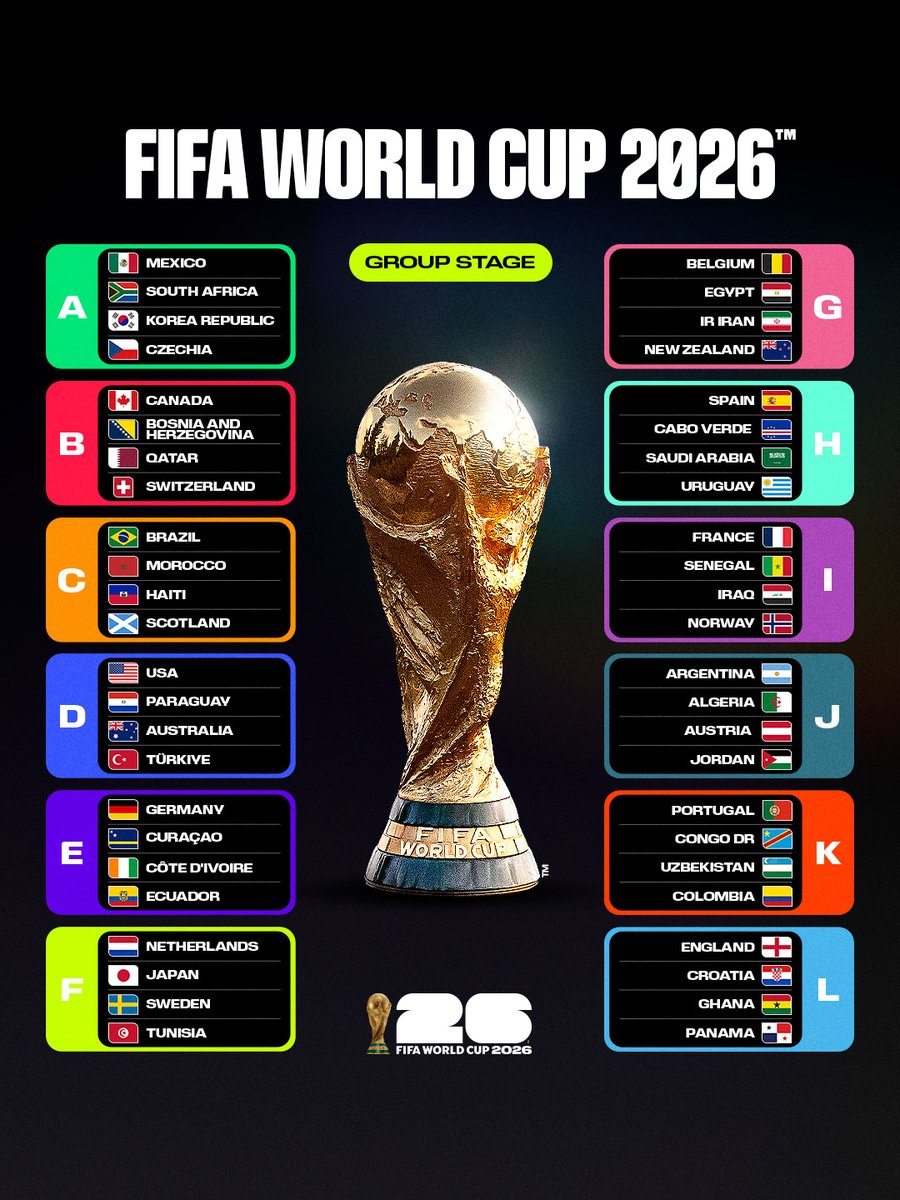
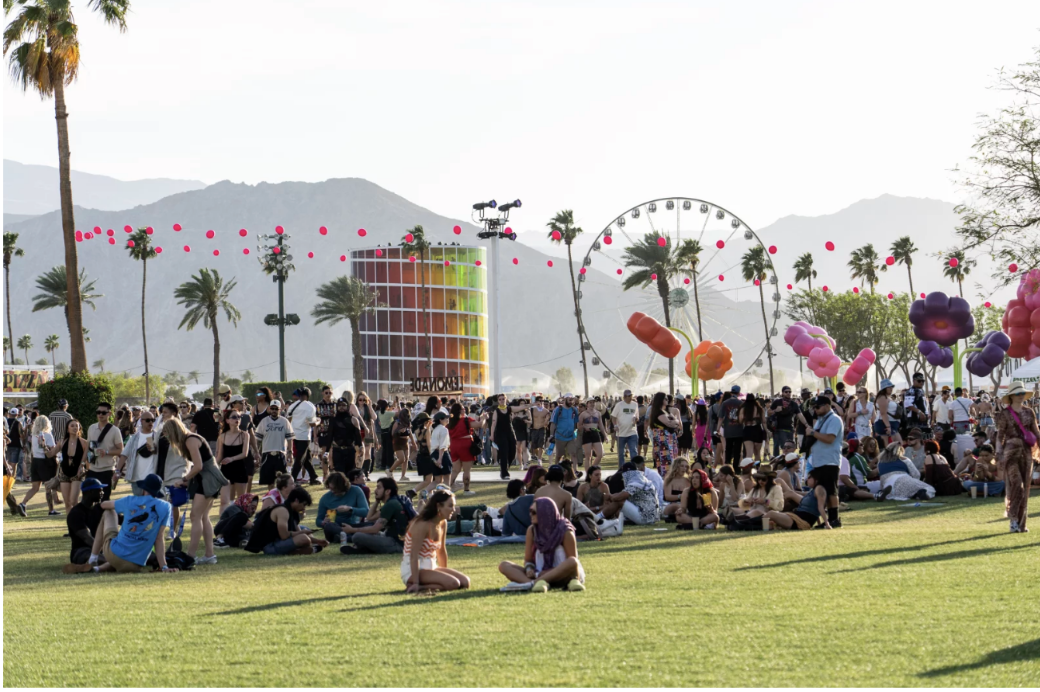

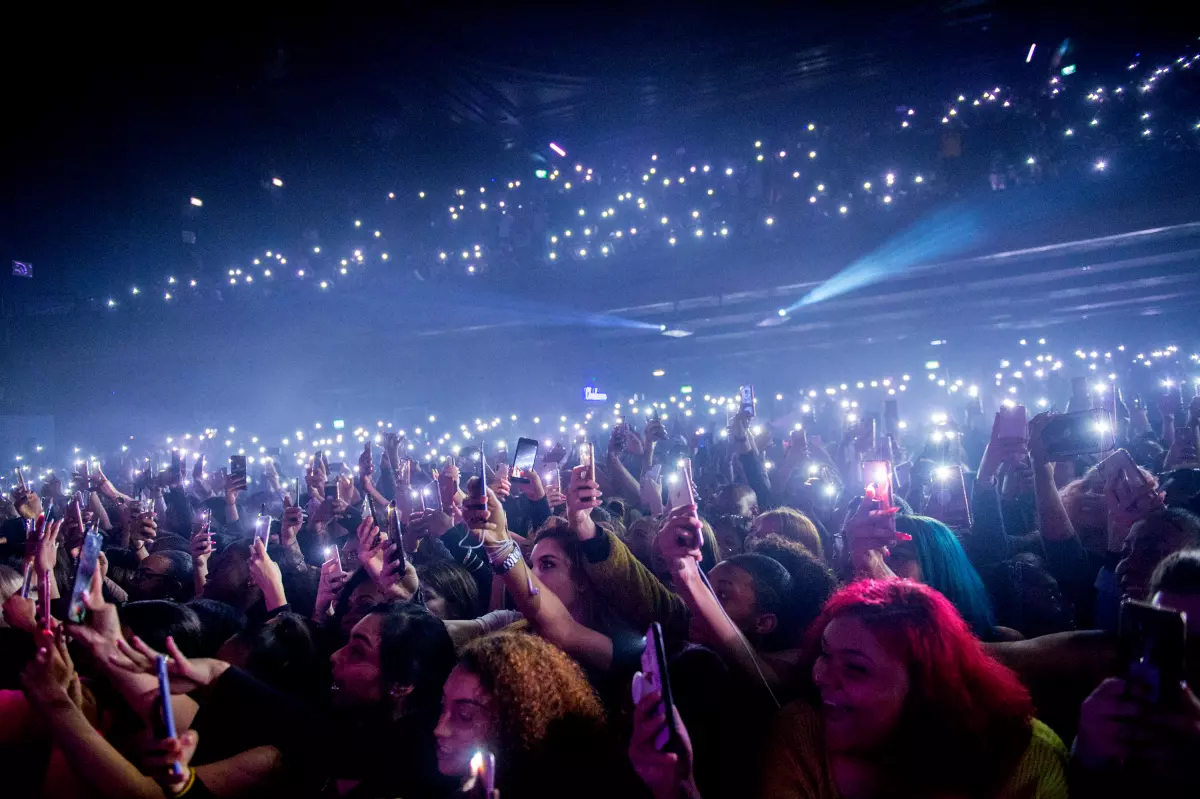


If you asked any high school student what was at the top of their wishlist right now, you probably wouldn’t get clothes or any other materialistic item. Their answer would probably be tickets to Olivia Rodrigo, Coachella, Lollapalooza, the World Cup, Noah Kahn, or any of the many other hot-item concerts this year. The demand for tickets to anything remotely popular has skyrocketed in the past 5 years, with prices increasing exponentially along with it.
One of the biggest markers of this was seen during Taylor Swift’s Eras Tour. When Swift announced her international tour, 149 shows spanning 21 countries, millions of fans waited hours in virtual queues to pay prices upwards of $200 in USD. For the many fans who lost the infamous Ticketmaster “war”, they were forced to pay the lowest prices of roughly thousands of dollars for obstructed views on resale sites. And this isn’t just an isolated event for a global pop star. Fans of artists like Olivia Rodrigo, Noah Kahn, Niall Horan, Harry Styles, and Bad Bunny are struggling today in 2026 just to find reasonably priced tickets.
Sites like Ticketmaster use dynamic pricing, according to The Guardian, which means prices are adjusted in real time depending on people visiting the website. Prices aren’t fixed at times, and fees for service, processing and venues also increase prices at checkout, making tickets all the more expensive and exclusive.
If you don’t manage to beat the lines and prices at their original sale, things only go downhill from there. Many people buy more tickets than they need, and bots are trained to mass-purchase them as well, only for the purpose of resale. StubHub, Seatgeek and TickPick are some of the many platforms that people go to for resales. Because of the massive demand and the fact that these organizations often take cuts of sales, prices skyrocket. Olivia Rodrigo tickets, for example, were priced at around $254.40 for floor tickets at the original sale. These same seats are now going for $824 for her Barclays Center dates in Brooklyn.
Many people at Clinton are fans of these popular artists, and the frenzy to get access to their concerts is real. Waiting in Ticketmaster lines during class has become the new normal. “Trying to go to concerts is not a cheap experience anymore; I feel like it used to be something where teenagers would go with their friends just when they wanted to. I went to Lorde and had nosebleed seats, and even those were over $100. I try to go to shows and get tickets the day of, but even that’s hard now.”, says Alice Wilding, a 10th grader at Clinton. “I really want to go see Olivia Rodrigo, but the tickets were impossible to get and sold out almost immediately.”
Obviously, there’s a reason behind all of this madness. It’s basic supply and demand. As singers and bands become more and more popular, more and more people want to go to their concerts. But venues, seats, and tour dates are always limited. So prices have to rise in order to balance out how many tickets can be sold and how many people are willing to buy them and have the means to. In fact, this might just be the tip of the iceberg in the entertainment industry. VIP packages, exclusive access, and constantly trying to outdo previous performances by adding merch, pre-sales, and other expensive features.
So is the music industry becoming exclusive for enthusiasts? The people suffering in this situation are fans. Live music is becoming a luxury, when 20 years ago, concerts were easily accessible, immersive, and connected people through their love of certain bands and genres. Now, it’s becoming something only the wealthy can afford. In the coming years, many artists, production companies, and managers will have to decide what’s important: profit and numbers or cultivating a community and a culture, and if a balance between the two can even be found with accessibility for everyone.