





Twice a year, in February and September, the streets of Manhattan are filled with models, designers, and fashion influencers for New York Fashion Week (NYFW). In its early years, NYFW was a way for America to highlight its largely overlooked fashion scene. Historically (and still today), Paris was looked at as the epicenter of global fashion. However, during World War II, when Paris was under German occupation, America saw an opportunity to enhance its fashion credentials and influence.
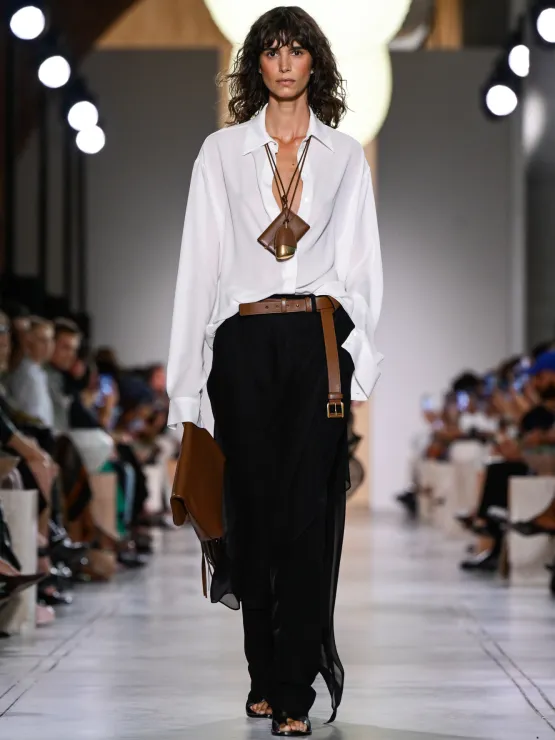
Now, NYFW is less about creating the American image in fashion and more about upholding it. New York has become a city that constantly churns out new trends and designs, and, as Stephanie Tricola, a fashion stylist and mom of two Clinton students, puts it, NYFW provides “a welcoming platform for emerging designers.” She emphasizes how, in contrast to Paris Fashion Week, which focuses on Haute Couture, and Milan Fashion Week, which focuses on “artisanal craftsmanship,” NYFW “highlights accessible, wearable luxury and pragmatic fashion.” NYC’s embrace of diverse cultures and backgrounds has enabled a wide range of fashion styles.
With the rise of social media and its evident presence in the fashion scene, clothing constantly goes in and out of style. However, recently, there has been a strong comeback of the previous 2000’s-style trends. Tricola noted these styles specifically in the lower waists, straighter cuts, and fringe that were omnipresent during NYFW. In addition to this, there have been many more categorized and specific trends. Throughout the shows, Tricola saw a lot of layered pieces, Napoleon-style jackets, and sporty accessories.
Additionally, NYFW is a time for new, emerging brands to showcase their pieces and create a name for themselves. This year’s fashion week featured numerous designer debuts, including Akki, Alix of Bohemia, Avon Anglers, and Carolina Zimbalist. However, other, older brands also presented their own collections, like Calvin Klein, Coach, and Tory Burch.
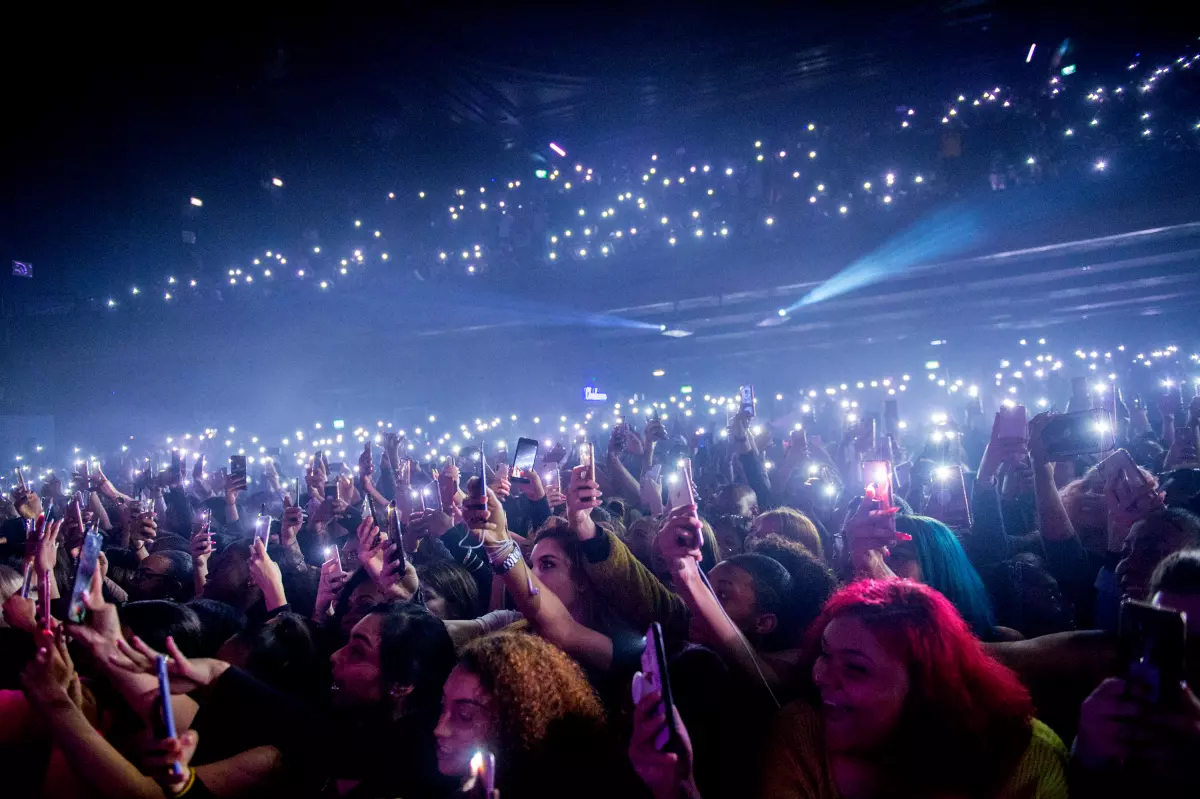
Besides the shows themselves, NYFW is a time when people can go out to spot celebrities. From Demi Lovato to Elle Fanning to Aubrey Plaza, all types of A-List stars can be seen walking around Manhattan. In addition to the stereotypical movie-star and fashion designer celebrities most can expect at shows, there has been a definite influx of social media influencer presence in the fashion industry. Tricola noted how “social media has transformed what was once a private, insider industry event into a globally viewed spectacle.”
When Tricola first started working in the fashion business, shows were “strictly for top-tier editors, department store executives, and loyal, high-net-worth clients.” However, now, they are always filled with bloggers, TikTokers, and Instagram influencers. The content creator attendees have “transformed what was once a private, insider industry event into a globally viewed spectacle.”
With the constantly changing microtrends in fashion, it can feel easy to get lost in the heaps of clothing that might not necessarily fit your own style, but rather make you fit in. However, as Tricola says, “Fashion should be about individuality and personal style,” rather than just a few people who can set the trends for everyone to just “blindly follow.” In Clinton, students find ways to express themselves through fashion all the time. Not everyone dresses the same or feels the need to fit into a certain mold. It is important to build a sense of self, and fashion is one of the many ways people do so.