














If you’re a student at The Clinton School, you’ve probably walked through Union Square and seen the Climate Clock–an art installation that shows a countdown until climate change’s effects are irreversible on our planet. The clock also displays a tracker for the growing percentage of renewable energy around the world. Sometimes seeing these numbers can be a bit disheartening, and especially as a teenager or regular citizen, it’s hard to imagine anything we can do will actually help. It may have you asking: so what can we do to be more energy efficient and help save our planet?
Although it might be harder to switch to renewable energy sources altogether, there are some ways to reduce our usage of fossil fuels, A.K.A energy that is non-renewable. Things like taking public transportation, which is convenient and more cost-efficient in NYC and reducing your energy use at home by taking shorter showers, turning lights off when not needed and not using hot water as much, can all lower your individual carbon footprint, which is always a good thing. Every small step counts.
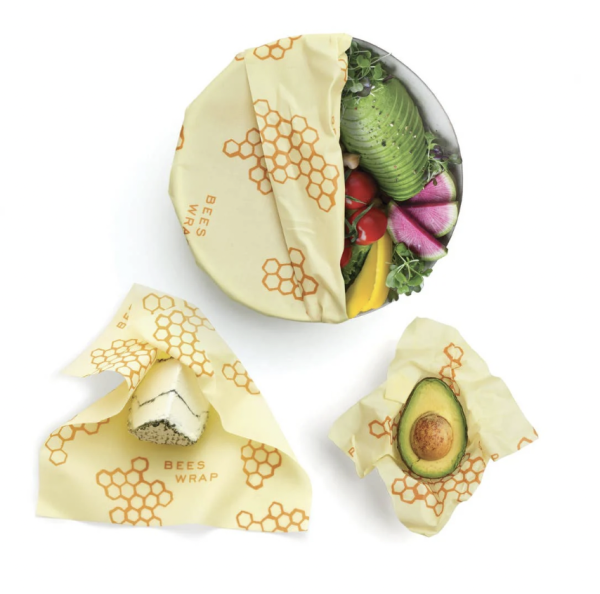
Another way to contribute to a sustainable future is to avoid single-use plastics. As a highschooler who often gets less sleep than she should, it’s always tempting to grab a matcha or coffee on the way to school from Blank Street or Starbucks, but grabbing a reusable thermos and making a homemade drink is not only worth it for our marine friends, but also for your wallet. You save so much more when you aren’t buying $7 lattes every week. I personally use a stainless steel thermos or an old jam jar to store my iced drinks (but any reusable container works!). Additionally, using zip-loc bags is a really common thing for packing lunches. But, a reusable alternative is beeswax wraps, which can be used up to a year with proper care, making it easy and cheap to stop using plastic.
On the other hand, one trend is helping save the environment, one reused fashion item at a time: thrifting! Thrifting is not only a way to get trendy, vintage clothes that are stylish, but also stops fast fashion. Fast fashion is the extremely rapid production of cheap-quality clothing to meet consumer needs. It is extremely dependent on fossil fuels, encourages overconsumption, and creates a massive waste. Instead of giving money to corporations that will destroy the environment, buying clothes already in circulation from organizations like Goodwill or flea markets from individual sellers is a great way to stop supporting fast fashion and find unique, thrifted clothing. Some thrift stores nearby Union Square include Beacon’s Closet on 13th Street and 5th Avenue and 2nd Street on University Place and 13th Street. There is also a Goodwill Store and Donation Center if you want to drop off clothes to contribute back to the community, on 5th Avenue and 14th Street.
So what do students at Clinton do to “go green”? Well, 10th grader Zohar Vinarsky says she “tries to not litter” and “makes sure to leave no trace wherever she goes.” “I don’t throw away trash on the ground and if I see litter, I do my best to pick it up”, says Vinarsky. New York City is a very populated place, and most people leave trash on the ground. Doing the least and picking up someone’s plastic bag and putting it in the trash is a small task that can still mean a lot. Volunteering with local organizations to pick up trash is another great way to do this on a larger scale for your community.
One way of getting involved is joining organizations on a school community level, like joining Clinton’s very own Green Team or helping create other clubs to promote climate activism . Another opportunity for NYC teens is New York City’s sustainability youth leadership council, which according to NYCPS’s website, “works to advance sustainability and climate justice in NYC schools and communities.” On a city-wide level, some organizations that are open to volunteering include the Big Reuse, which holds Street Tree Care events and is open to volunteers at their center that takes donations of items to be sold and reused. Another organization is Friends of Tompkins Square Park, which hosts events that you can sign up for to help clean up Tompkins Square Park.
Overall, every small step, whether it’s volunteering or simply taking a bike instead of driving, helps add to a better tomorrow. You don’t have to be young or old to take a step in the right direction and advocate for climate justice, and taking advantage of what you can change to help our planet is a great way to pitch in and contribute to our New York City community, but also our whole world.