

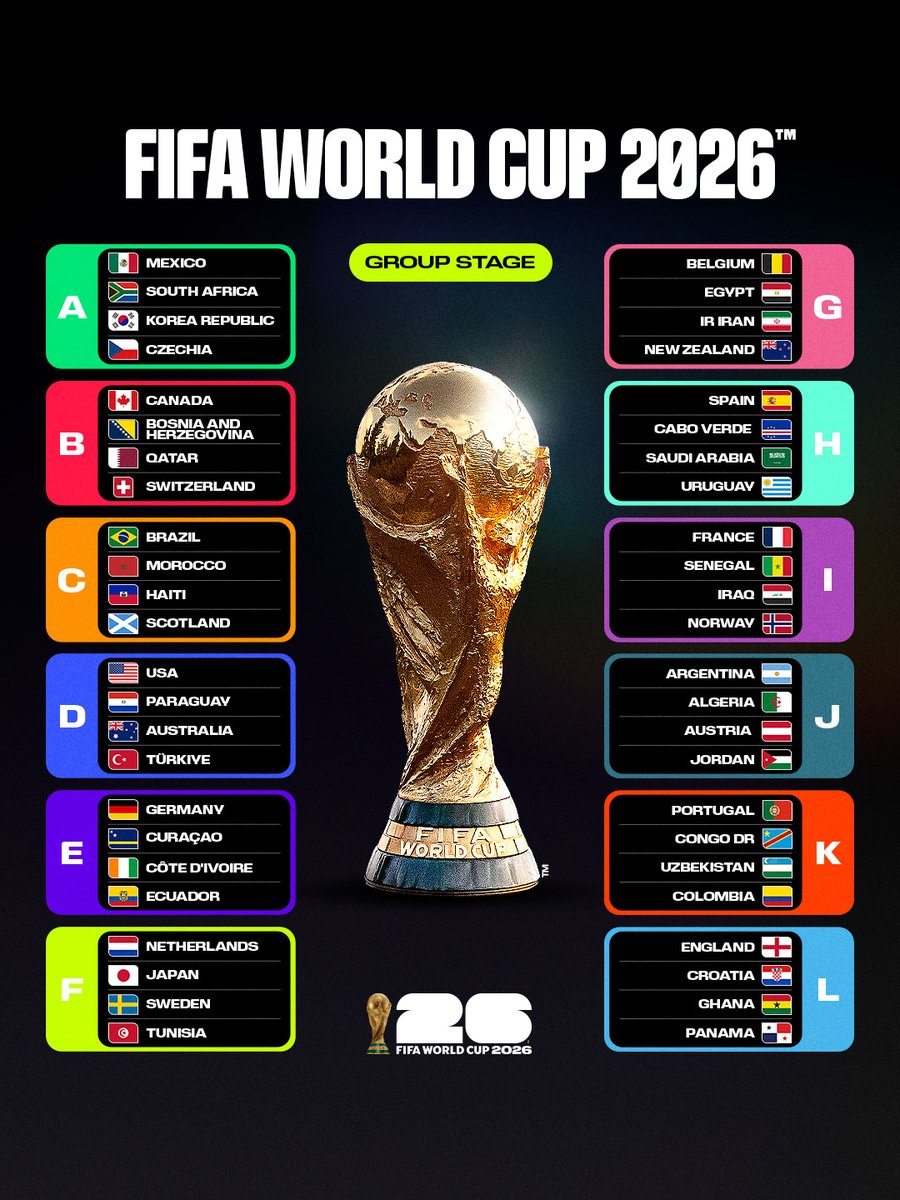










On June 11th, 2026, Mexico and South Africa will kick off the 2026 FIFA World Cup in Mexico City, making this the first time a World Cup has been jointly hosted by countries since 2002. The World Cup, a global soccer sensation, has been held every four years since the inaugural tournament in 1930 (barring the Second World War). However in 2026, the stakes are higher than ever before. Since 1998, the World Cup has followed an identical format, with 32 teams split into 8 groups, with a 16 team-knockout bracket. This year, things are set to change. The tournament will begin with 48 teams, allowing for four nations to debut in the tournament for the first time.
For the past four years, fans from around the globe have been itching for World Cup action to kick off. However, in the midst of many teams announcing their official rosters, fans might not even be able to make the journey to the United States to watch their team represent their nation. Per the American Immigration Council, many citizens from countries such as Iran, Haiti, and Senegal–all qualified teams–face strict travel bans for the United States portion of the World Cup. To that end, fans from the aforementioned countries will be unable to attend games in the United States unless they qualify for exemptions, or obtain a visa before the enactment of the ban. The implications for these restrictions may span much farther than just fan enjoyment, however. The entire identity of the beloved tournament could be jeopardized, too. The World Cup would not be what it is without the hundred of thousands of fans dressed up in their nation’s colors, faces painted, all chanting in unison. Without countless fans being allowed to attend games in the United States, that same energy associated with the World Cup may not be present. What was once an event that brought the whole world together may now be turning into an event that tears relations between nations apart.
However, on Wednesday, May 13th, the Trump administration waived visa bonds for World Cup fans. According to ESPN, the $15,000 bans that foreign fans were forced to pay have been waived for confirmed World Cup ticket holders. This means that fans from around the world who have already bought tickets to the World Cup will be allowed to come to the United States without extra unnecessary charge. Mora Namdar, the United States’ Assistant Secretary of State to Consular Affairs announced, “The United States is excited to organize the biggest and best FIFA World Cup in history.” Along with the recent developments regarding the United States government and the Trump Administration, FIFA president Gianni Infantino vowed to keep the world cup an inclusive space for all fans around the world, adhering to FIFA’s strong inclusivity policies. Furthermore, the American Immigration Council reported that as of last summer, FIFA and the White House made a deal to halt ICE border enforcement during the FIFA Club World Cup, which was considered to be a trial for this upcoming summer. Additionally, Infantino is rumored to be considering asking Trump for a temporary suspension on ICE raids this upcoming summer. These two have developed a close relationship, and Infantino even attended Trump’s second inauguration and presented him with the FIFA Peace Prize last December.
The World’s game is set to come to the United States this summer, and with political tensions constantly rising, will the tournament have its usual character, or will the 2026 World Cup go down in history for all of the wrong reasons?